


Multigenerational Workforce Benefits: Where Nutrition Fits
A multigenerational workforce now sits inside nearly every mid-to-large employer, spanning five generations at once: the last of the Silent Generation, Baby Boomers, Generation X, Millennials, and Generation Z, often on the same team. That range creates a real design

The Cost of Cardiovascular Disease for Employers and How to Reduce It
Cardiovascular disease (CVD) rarely shows up as a line item on its own. It shows up as a spike in claims, a cluster of short-term disability cases, and a handful of employees whose absenteeism doesn't quite add up until someone
Employee Wellness Program Engagement: The Case For Proactive Nutrition Care
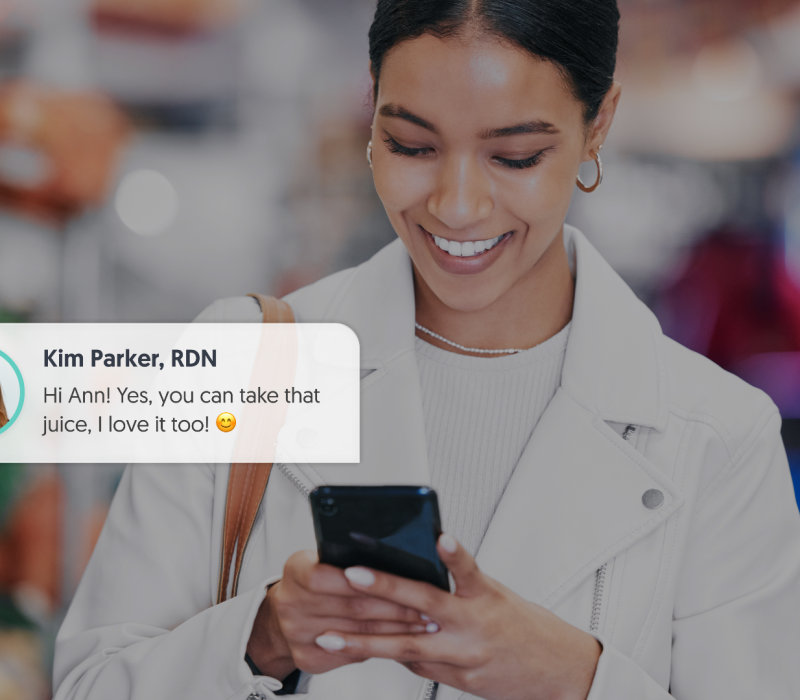
Employee wellness program engagement is one of the most persistent frustrations in benefits management. HR leaders invest in programs, launch them with care, and watch utilization quietly flatten by month three. The question most teams ask is: how do we

PMOS vs PCOS: What the Rename Means for Nutrition Care
Polycystic ovary syndrome has a new name. On May 12, 2026, an international working group published a consensus in The Lancet officially renaming PCOS to polyendocrine metabolic ovarian syndrome, or PMOS. For the 170 million women living with the condition

Employee Nutrition Program Outcomes: What Nutrium Care Users Achieved
A retrospective cohort study published on JMIR Preprints in March 2026, covering 10,151 users of Nutrium Care across an average of seven months, found clinically meaningful, sustained weight loss at scale, with dietitian contact frequency emerging as the single strongest

Nutrition Trends 2026: What HR Leaders Need to Know
As National Nutrition Month 2026 gets underway, the conversation around workplace nutrition has reached a level of strategic urgency that few would have predicted even two years ago. GLP-1 medications have fundamentally disrupted employer pharmacy budgets. The Academy of Nutrition
The New Food Pyramid: What Employers Need to Know
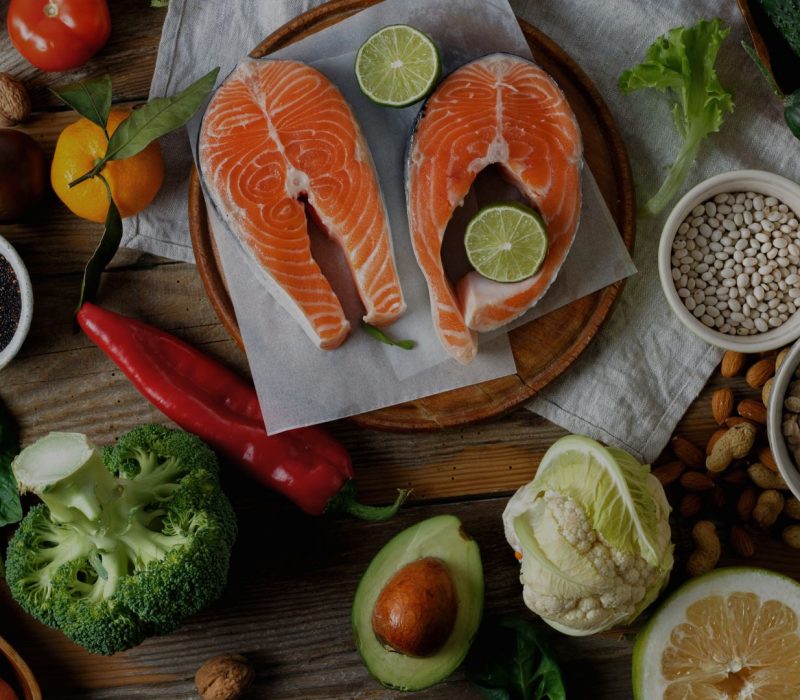
In January 2026, the publication of the 2025–2030 edition of the Dietary Guidelines for Americans reignited global conversation around the new food pyramid. Often described as an inverted or “upside-down” pyramid, this updated model emphasizes whole, minimally processed foods and

GLP-1 Coverage vs. Exclusion: What Employers Need to Know
GLP-1 coverage is one of the most complex and consequential decisions facing U.S. Benefit Leaders today. GLP-1 receptor agonists were originally developed to support type 2 diabetes management, but are now widely used for weight loss. The demand for this

Trends in Employee Wellbeing Initiatives in 2026
Employee wellbeing initiatives have moved from optional perks to strategic business investments. As organizations look ahead to 2026, the expectations placed on corporate wellness programs are higher than ever. Employees want meaningful, personalized support that fits into their daily lives.

How to Measure Wellness Program ROI: A Guide for HR Leaders
Corporate wellness ROI is a critical metric for organizations aiming to control healthcare costs and improve workforce performance. Yet many wellness initiatives fail to produce meaningful returns because they lack consistent engagement, personalization, and evidence-based methods. Nutrium Care changes that through